Interview with Folksy 2026 - Mothers Who Make
Within our Mothers Who Make series this Mother’s Day, we’re celebrating the women who quietly pass creativity down through generations – not always through formal lessons, but through example, everyday making, and a deep belief in learning by doing.
In this interview, we chat to knitwear designer and pattern maker Sandra from The Feminine Touch Designs, whose thoughtful approach to colour, texture and skill-building is rooted in the way she grew up: surrounded by making, guided gently by her mum, and encouraged to see creativity as practical, useful and accessible. From sewing outfits in her youth to encouraging the next generations of makers through designing knitting patterns, her story is one of multi-generational shared skills, patience, and the joy of learning together.
1. To get us started, please tell us about yourself and your craft business.
I’m a knitwear designer and maker, running my own small craft business focused on knitting patterns and kits. My designs centre around colour, texture and learning through making – creating patterns that start simply and gradually introduce more complex techniques. Sharing skills, encouraging confidence, and helping others enjoy the process of learning are at the heart of everything I do.
2. Can you tell us about how you first learnt to knit? And what role your mum played in the very beginning of your creativity journey?
My memories of learning to knit aren’t very clear-cut. I don’t specifically remember sitting down with my mum and being taught how to knit, but I must have learnt from somewhere. I do remember very clearly learning to sew – both at school and from my mum – and making outfits for Friday nights out, as well as skirts and matching waistcoats for work.
I did knit a large mohair jumper in the 1970s when they were on trend, so knitting had clearly become part of my skill set by then, even though we didn’t knit at school. I think my mum’s role was less about formal teaching and more about creating an environment where making things was normal. Skills were passed on quietly, without ceremony, simply by example.
”
3. What impact would you say she has had on your creativity today?
My mum showed me that creativity is practical, useful and accessible. Making wasn’t something special or precious – it was just part of everyday life. That attitude has stayed with me and strongly influences how I design today. I value simplicity, adaptability and learning through doing, rather than perfection or rigid rules.
4. You have your own children now, and grandchildren – how important is it to you to continue passing on these skills to the next generation?
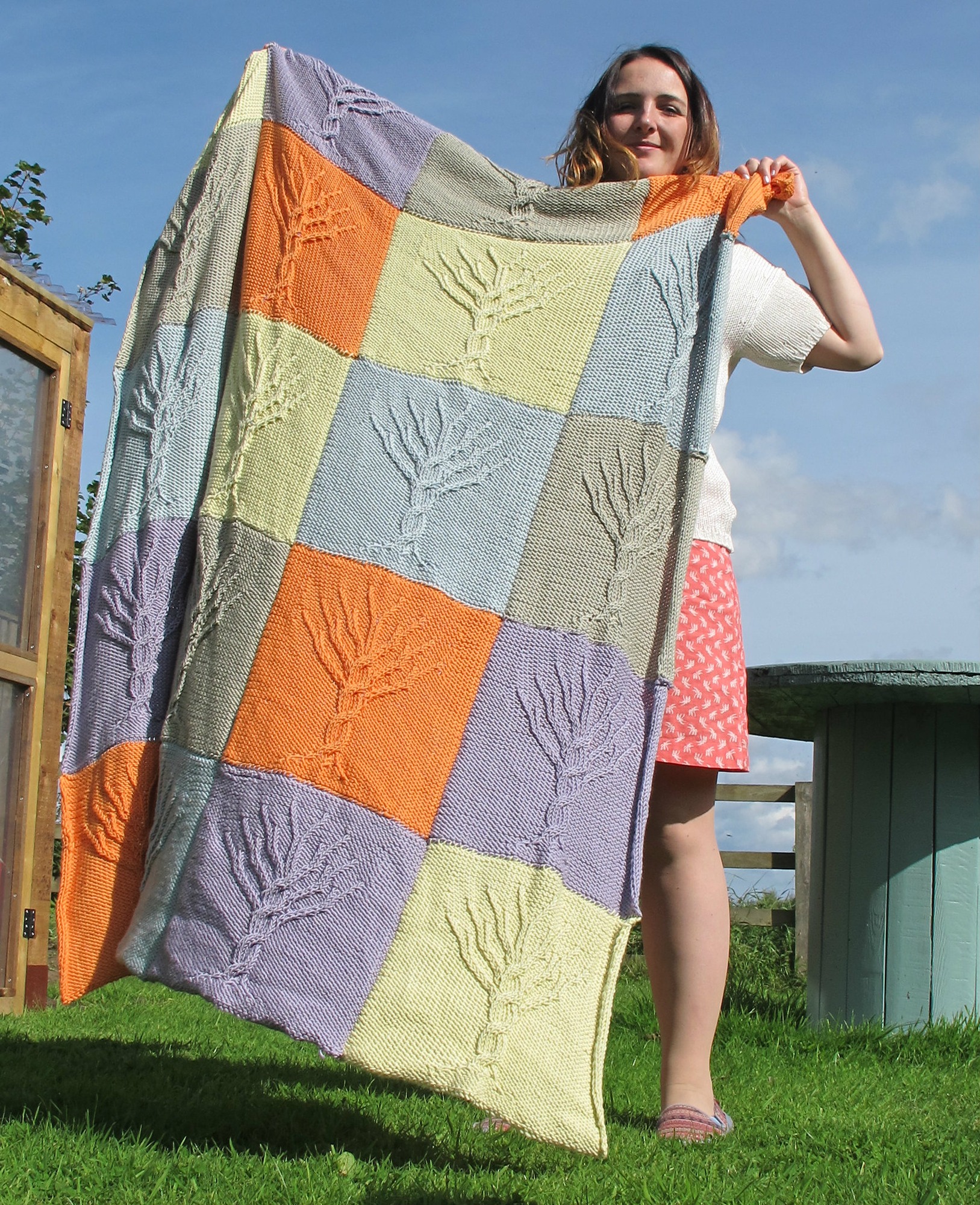
It’s important to me, but not in a forced way. I want those skills to be available, rather than imposed. My daughter knits occasionally when time allows, and I have a photo of a tree blanket she knitted. Interestingly, she doesn’t remember learning to knit from me – but she must have. What she does remember clearly is learning to sew from her nana, my mum.
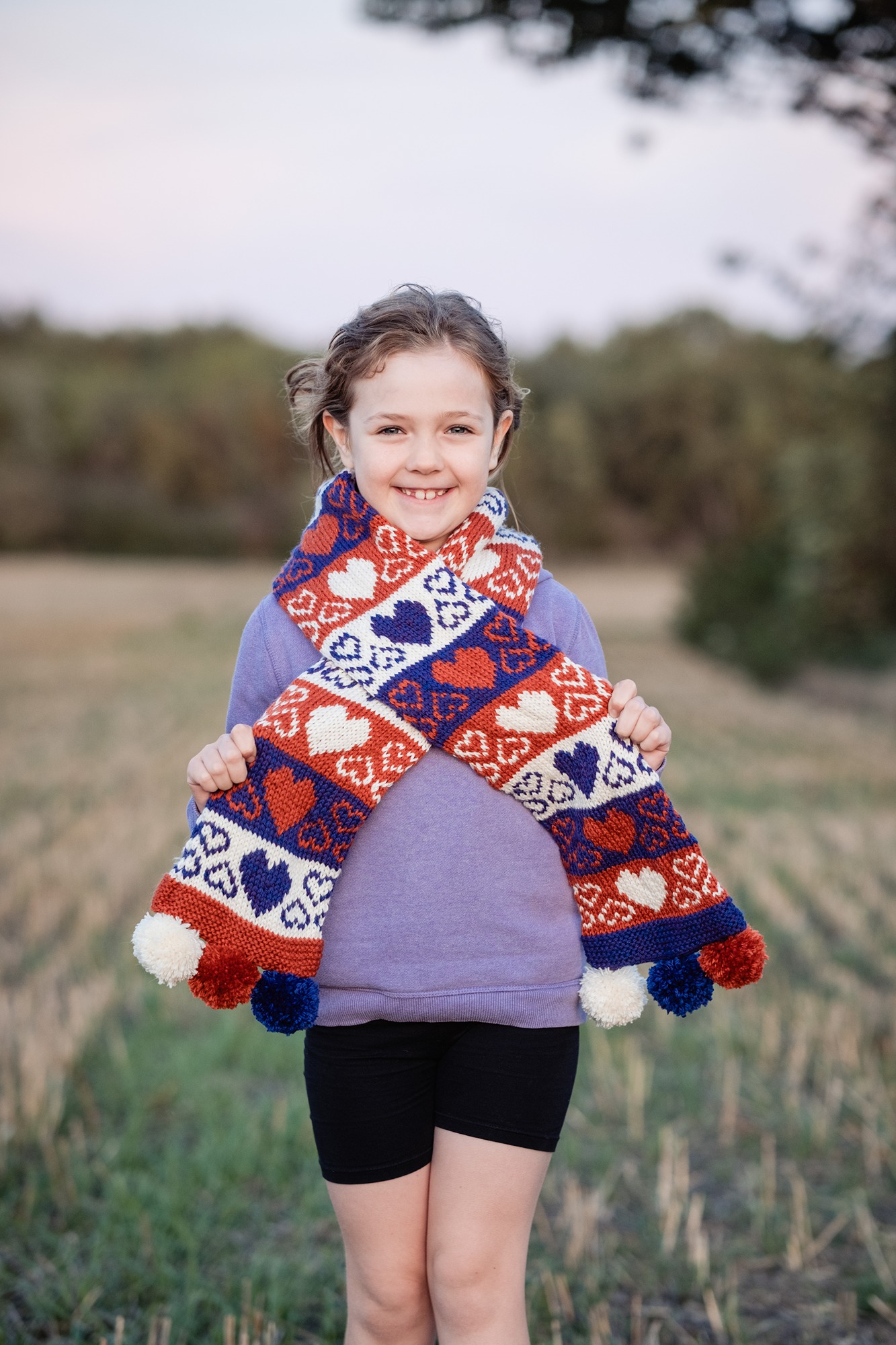
My granddaughter is keen to learn too. She’s left-handed, and I’m still working out the best way to teach her, but she’s already involved in the creative process, which feels just as important. Recently, she helped with the design decisions for my latest pattern featured in Simply Knitting magazine, and I love that her first steps into craft are rooted in ideas, choices and collaboration, not just technique.
Read how other Knitters learnt to knit
5. Knitting, sewing and crafting have long roots in family and community history – how do you feel crafting traditions have changed between your mum’s generation and your granddaughter’s?
For my mum’s generation, making was often practical and necessary. Clothes and household items were made because they were needed. For my granddaughter, crafting is creative and optional – a form of expression rather than necessity. However, she also has access to far more inspiration, resources and global communities than previous generations.
What hasn’t changed is the value of making something with your hands, and the quiet connection that comes from sharing time and skills across generations.
6. What lessons do you feel your daughter and granddaughter will take – or have taken – from learning to knit or sew with you, beyond the technical skills?
Beyond the practical skills, I hope they take confidence, patience and problem-solving. Craft teaches you that mistakes are part of the process, that things can be unpicked and reworked, and that learning takes time. Those lessons apply far beyond knitting or sewing.
7. Your patterns and kits often invite others to learn and create – how important is that sharing of your skill to you personally?
Sharing skills is central to my work. My patterns are designed to guide and encourage, helping knitters build confidence while learning something new. Teaching through design feels like a continuation of the way I learnt – knowledge shared generously, without gatekeeping.
8. What advice would you give to mothers (or any parent or grandparent) who want to keep craft alive in their home or family life?
Don’t worry about doing it “properly”. Let children watch, help, choose colours, and make decisions. Let them make mistakes. Craft doesn’t need formal lessons to survive – it just needs space, time and permission to be part of everyday life.
We loved speaking to Sandra about her experience of making and motherhood. It was wonderful to hear about the impact her own mum had on her creative journey, and how she’s continuing that legacy with her own daughter and granddaughter. We were reminded that some of the most lasting creative legacies are passed on simply by making space, sharing time and leading with curiosity – a beautiful reflection of what Mothers Who Make is all about.